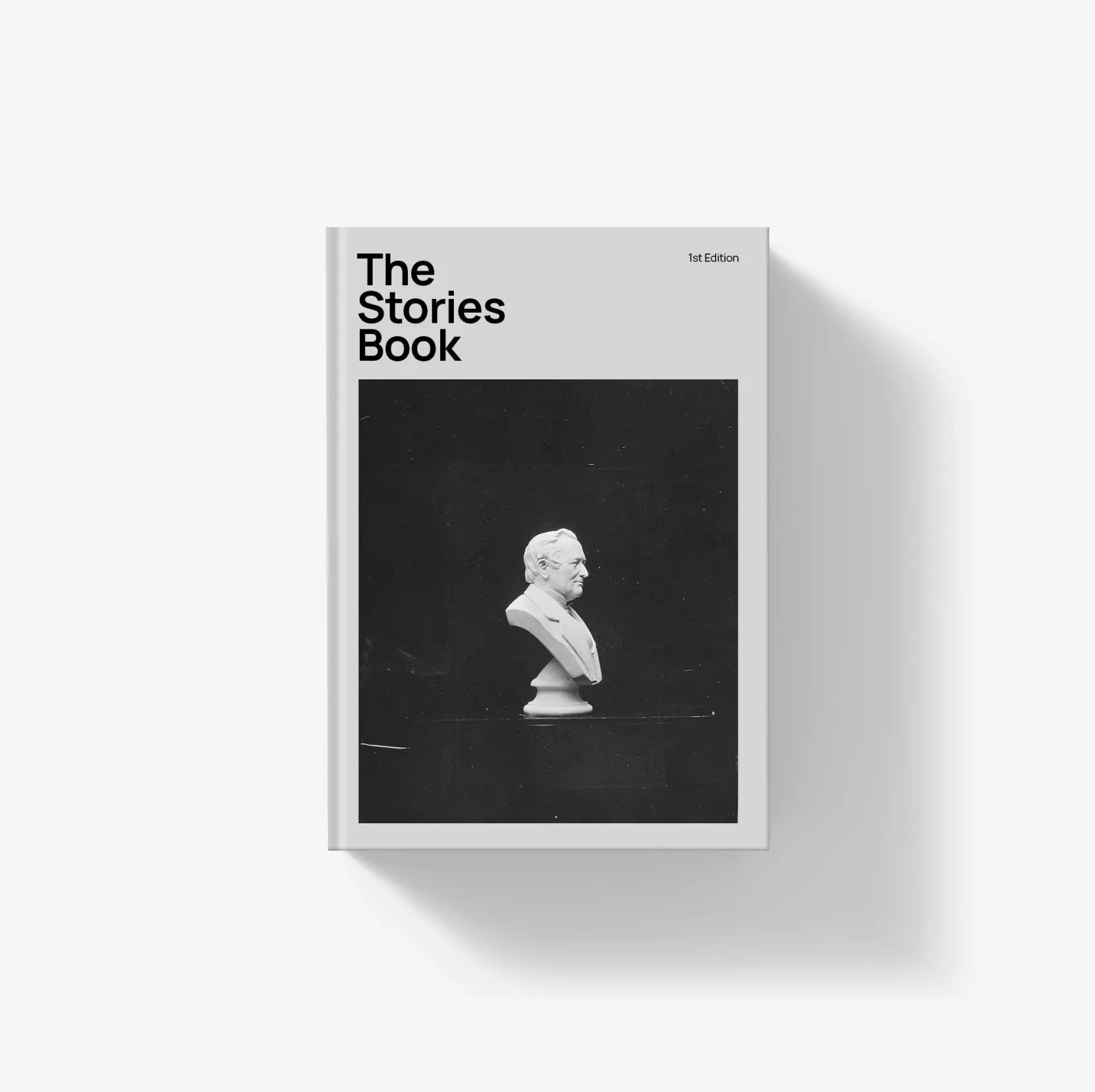
The Stories Book
Available for pre-order now.
Buy your copy of The Stories Book
Outside Europe? View international editions.
A LAW DICTIONARY
ADAPTED TO THE CONSTITUTION AND LAWS OF THE UNITED STATES OF AMERICA AND OF THE SEVERAL STATES OF THE AMERICAN UNION
by John Bouvier
Revised Sixth Edition, 1856
Select the first letter of the word you want to look up. There are no entries for X or Z.
HTML Version
Text Version
founded as to the extent of paternal power is, that it be exerted for the benefit of the child. The child is subject to the lawful commands of the father to attend to his business, because by being so subjected he acquires that discipline and the practice of attending to business, which will be useful to him in after life. He is liable to proper correction for the same reason. 1 Bouv. Inst. n. 326-33. See Correction; Father; Mother; Parent.
PATERNAL PROPERTY. That which descends or comes from the father and other ascendants, or collaterals of the paternal stock. Domat. Liv. Prel. tit, 3, s. 2.
PATERNITY, The state or condition of a father.
2. The hushand is prima facie presumed to be the father of his wife's chhildren, born during coverture, or within a competent time afterwards pater is est quem nuptim demonstrant. 7 N. S. 553. But this presumption may be rebutted by showing circumstances which render it impossible that the hushand can be the father. 6 Binn. 283; 1 Browne's R. Appx. xlvii.; Hardin's R. 479; 8 East, R. 193; Stra. 51, 940. 4 T. R; 356;. 2 M. & K. 349; 3 Paige's R. 139; I Sim. & Stu. 150; Turn. & Russ. 138; 1 Bouv. Inst. n. 302, et seq.
3. The declarations of both or one of the spouses, however, cannot affect the condition of a child born during the marriage. 7 N. S. 553; 3 Paige's R. 139. Vide Bastard;. Bastardy;, Legitimacy; Maternity; Pregnancy.
PATHOLOGY, med. jur. The science or doctrine of diseases. In cases of homicides, abortions, and the like, it is of great consequence to the legal practitioner to be acquainted, in some degree, with pathology. 2 Chit. Pr. 42, note.
PATRIA. The country; the men of the neighborhood competent to serve on a jury; a jury. This word is nearly synonymous with pais. (.q. v.)
PATRIA POTESTAS, Civil law. Paternal power; (q. v.) the authority which is lawfully exercised by the father over his children.
PATRICIDE. One guilty of killing his father.
PATRIMONIAL. A thing, which comes from the father, and by extension, from the mother or other ancestor.
PATRIMONIUM, civil law. That which is capable, of being inherited.
2. Things capable of being possessed by a single person exclusively of all others, are, in the Roman or civil law, said to be in patrimonio; when incapable of being so possessed they are extra-patrimonium.
3. In general, things may be inherited, but there are some which are said to be extra patrimonium, or which are not in commerce. These are such as are common, as the light of heaven, the air, the sea, and the like. Things public, as rivers, harbors, roads, creeks, ports, arms of the sea, the, sea-shore, highways, bridges, and the like. Things which belong to cities and municipal corporations, as public-squares, streets, market houses, and the like. See, 1 Bouv. Inst. n. 421 to 446.
PATRIMONY. Patrimony is sometimes understood to mean all kinds of property but its more limited signification , includes only such estate, as has descended in the same family and in a still more confined sense, it is only that which has descended or been devised in a direct line from the father, and by extension, from the mother, or other ancestor.
2 . By patrimony, patrimonium, is also understood the father's duty to take care of his children. Sw. pt. 3, §18, n. 31, p. 235.
PATRINUS. A godfather.
PATRON, eccles. law. He who has the disposition and gift of an ecclesiastical benefice. In the Roman law it signified the former master of a freedman. Dig. 2, 4, 8, 1.
PATRONAGE. The right of appointing to office; as the patronage of the president of the United States, if abused, may endanger the liberties of the people.
2. In the ecclesiastical law, it signifies the right of presentation to a church or ecclesiastical benefice. 2 Bl. Com. 21.
PATRONUS, Roman civil law. This word is a modification of the, Latin word pater, father; a denomination applied by Romulus to the first, senators of Rome, and which they always afterwards bore. Romulus at first appointed a hundred of them. Seven years afterwards, in consequence of the association of Tatius to the Romans, a hundred more were appointed, chosen from the Sabines. Tarquinius Priscus increased the number to three hundred. Those appointed by Romulus and Tatius were called patres majorum gentium and the others were called patres minorum gentium. These and their descendants constituted, the nobility of Rome. The rest of the people were called lebeians, every one of whom was obliged to choose one of these fathers as his patron. The relation thus constituted involved important consequences. The plebeian, who was called (cliens) a client, was obliged to furnish the means of maintenance to his chosen patron; to firnish a portion for his patron's daughters; to ransom him and his sons, if captured by an enemy, and pay all sums recovered against him by judgment, of the ‘courts. The patron, on the other hand, was, obliged to watch over the interests of his client, whether present or absent to protect his person and property, and especially to defend him in all, actions brought against him for any cause. Neither could accuse or bear testimony against the other, or give contrary votes, &c. The contract was of a sacred nature,; the violation of it was a sort of treason, and punishable as such. According to Cicero, (De Repub. II. 9,) this relation formed an integral part of the governmental system, Et habutit plebem in clientelas principum descri ptum, which he affirms was eminently useful. Blackstone traces the system of vassalage to this. ancient relation of patron and client. It was, in fact, of the same nature as the feudal institutions of the middle ages, designed to maintain order in a rising state by a combination of the opposing interests of the aristocracy and of the common people, upon the principle of reciprocal bonds for mutual interests, Dumazeau, Barreau Romain, §III. Ultimately, by force of radical changes in the institution, the word patronus came to signify notbing more than an advocate. Id. IV
PATRUELIS, civil law. A cousin german by the father's side; the son or daughter of a father's brother. Dig. 38i 10, 1.
PATRUUS, citq law. An uncle by the father's side, a father's brother. Dig. 38, 10, 10, Patruus magnus, is a grandfather's brother, grand uncle. Patruus major, is a great-grandfather's brother. Patruus maximus, is a, great-grandfather's father's brother.
PAUPER. One so poor that he must be supported at the public expense.
2. The statutes of the several states make ample provisions for the support of the poor. It is not within the plan of this work even to give an abstract of such extensive legislation. Vide 16 Vin. Ab. 259;Botts on thc Poor Laws; Woodf. Landl. & Ten. 901.
PAVIAGE. Contribution or tax. for paving the streets or highways.
PAWN. A pledge. Vide Pledge.
PAWN-BROKER. One who is lawfully authorized to lend money, and actually lends it, usually in small sums, upon pawn or pledge.
PAWNEE. He who receives a pawn or pledge.
2. The rights of the pawnee are to have the exclusive possession of the pawn; to use it, when it is for the advantage of the pawner, but, in such case, when he makes a profit out of it, he must account for the same. 1 Car. Law Rep. 8 7; 2 Murph.
3. The pawnee is bound to take reasonable care, of the pledge, and to return it to the, pawnor, when the obligation of the latter has been performed.
4. The pawnee has two remedies to enforce his claim; the first, to sell the pawn, after having given due notice; and, secondly, by action. See. 1 Bouv. Inst. n. 1046, 1050.
PAWNOR. One who, being liable to an engagement, gives to the person to whom he is liable, a thing to be held as a security for the payment of his debt or the fulfilment of his liability.
2. The rights of the pawnor are to redeem the pledge, at any time before it is sold.
3. His oblioations are to warrant the title of the pledge, and to redeem it at the time agreed
PARENTAGE. Kindred. Vide 2 Bouv. Inst. n. 1955; Branch; Line.
PARENTS. The lawful father and mother of the party spoken of. 1 Murph. R. 336; 11 S. & R. 93.
2. The term parent differs from that of ancestor, the latter embracing not only the father and mother, but every per ascending line. It differs also from predecessor, which is applied to corporators. Wood's Inst. 68; 7 Ves. 522; 1 Murph. 336; 6 Binn. 255. See Father; Mother.
3. By the civil law grandfathers and grandmothers, and other ascendants, were, in certain cases, considered parents. Dict. de Jurisp. Parente. Vide 1 Ashm. R. 55; 2 Kent, Com. 159; 5 East, R. 223; Bouv. Inst. Index, h. t.
PARES. A man's equals; his peers. (q. v.) 3 Bl. Com. 349.
PARES CURIE, feudal law, Those vassals who were bound to attend the lord's court were so called. Ersk. Inst. B. 2, tit. 3, s. 17.
PARI DELICTO crim. law. In a similar offence or crime; equal in guilt. A person who is in pari delicto with another, differs from a particeps criminis in this, that the former always includes the latter but the latter does not always include the former. 8 East, 381, 2.
PARI MATERIA. Of the same matter; on the same subject; as, laws pari materia must be construed with reference to each other. Bac. Ab. Stat. I. 3.
PARI PASSU. By the same gradation.
PARISH. A district of country of different extents. In the ecclesiastical law it signified the territory committed to the charge of a parson, vicar, or other minister. Ayl. Parerg. 404; 2 Bl. Com. 112. I>
into parishes.
founded as to the extent of paternal power is, that it be exerted for the benefit of the child. The child is subject to the lawful commands of the father to attend to his business, because by being so subjected he acquires that discipline and the practice of attending to business, which will be useful to him in after life. He is liable to proper correction for the same reason. 1 Bouv. Inst. n. 326-33. See Correction; Father; Mother; Parent.PATERNAL PROPERTY. That which descends or comes from the father and other ascendants, or collaterals of the paternal stock. Domat. Liv. Prel. tit, 3, s. 2.PATERNITY, The state or condition of a father.2. The hushand is prima facie presumed to be the father of his wife's chhildren, born during coverture, or within a competent time afterwards pater is est quem nuptim demonstrant. 7 N. S. 553. But this presumption may be rebutted by showing circumstances which render it impossible that the hushand can be the father. 6 Binn. 283; 1 Browne's R. Appx. xlvii.; Hardin's R. 479; 8 East, R. 193; Stra. 51, 940. 4 T. R; 356;. 2 M. & K. 349; 3 Paige's R. 139; I Sim. & Stu. 150; Turn. & Russ. 138; 1 Bouv. Inst. n. 302, et seq.3. The declarations of both or one of the spouses, however, cannot affect the condition of a child born during the marriage. 7 N. S. 553; 3 Paige's R. 139. Vide Bastard;. Bastardy;, Legitimacy; Maternity; Pregnancy.PATHOLOGY, med. jur. The science or doctrine of diseases. In cases of homicides, abortions, and the like, it is of great consequence to the legal practitioner to be acquainted, in some degree, with pathology. 2 Chit. Pr. 42, note.PATRIA. The country; the men of the neighborhood competent to serve on a jury; a jury. This word is nearly synonymous with pais. (.q. v.)PATRIA POTESTAS, Civil law. Paternal power; (q. v.) the authority which is lawfully exercised by the father over his children.PATRICIDE. One guilty of killing his father.PATRIMONIAL. A thing, which comes from the father, and by extension, from the mother or other ancestor.PATRIMONIUM, civil law. That which is capable, of being inherited.2. Things capable of being possessed by a single person exclusively of all others, are, in the Roman or civil law, said to be in patrimonio; when incapable of being so possessed they are extra-patrimonium.3. In general, things may be inherited, but there are some which are said to be extra patrimonium, or which are not in commerce. These are such as are common, as the light of heaven, the air, the sea, and the like. Things public, as rivers, harbors, roads, creeks, ports, arms of the sea, the, sea-shore, highways, bridges, and the like. Things which belong to cities and municipal corporations, as public-squares, streets, market houses, and the like. See, 1 Bouv. Inst. n. 421 to 446.PATRIMONY. Patrimony is sometimes understood to mean all kinds of property but its more limited signification , includes only such estate, as has descended in the same family and in a still more confined sense, it is only that which has descended or been devised in a direct line from the father, and by extension, from the mother, or other ancestor.2 . By patrimony, patrimonium, is also understood the father's duty to take care of his children. Sw. pt. 3, §18, n. 31, p. 235.PATRINUS. A godfather.PATRON, eccles. law. He who has the disposition and gift of an ecclesiastical benefice. In the Roman law it signified the former master of a freedman. Dig. 2, 4, 8, 1.PATRONAGE. The right of appointing to office; as the patronage of the president of the United States, if abused, may endanger the liberties of the people.2. In the ecclesiastical law, it signifies the right of presentation to a church or ecclesiastical benefice. 2 Bl. Com. 21.PATRONUS, Roman civil law. This word is a modification of the, Latin word pater, father; a denomination applied by Romulus to the first, senators of Rome, and which they always afterwards bore. Romulus at first appointed a hundred of them. Seven years afterwards, in consequence of the association of Tatius to the Romans, a hundred more were appointed, chosen from the Sabines. Tarquinius Priscus increased the number to three hundred. Those appointed by Romulus and Tatius were called patres majorum gentium and the others were called patres minorum gentium. These and their descendants constituted, the nobility of Rome. The rest of the people were called lebeians, every one of whom was obliged to choose one of these fathers as his patron. The relation thus constituted involved important consequences. The plebeian, who was called (cliens) a client, was obliged to furnish the means of maintenance to his chosen patron; to firnish a portion for his patron's daughters; to ransom him and his sons, if captured by an enemy, and pay all sums recovered against him by judgment, of the ‘courts. The patron, on the other hand, was, obliged to watch over the interests of his client, whether present or absent to protect his person and property, and especially to defend him in all, actions brought against him for any cause. Neither could accuse or bear testimony against the other, or give contrary votes, &c. The contract was of a sacred nature,; the violation of it was a sort of treason, and punishable as such. According to Cicero, (De Repub. II. 9,) this relation formed an integral part of the governmental system, Et habutit plebem in clientelas principum descri ptum, which he affirms was eminently useful. Blackstone traces the system of vassalage to this. ancient relation of patron and client. It was, in fact, of the same nature as the feudal institutions of the middle ages, designed to maintain order in a rising state by a combination of the opposing interests of the aristocracy and of the common people, upon the principle of reciprocal bonds for mutual interests, Dumazeau, Barreau Romain, §III. Ultimately, by force of radical changes in the institution, the word patronus came to signify notbing more than an advocate. Id. IVPATRUELIS, civil law. A cousin german by the father's side; the son or daughter of a father's brother. Dig. 38i 10, 1.PATRUUS, citq law. An uncle by the father's side, a father's brother. Dig. 38, 10, 10, Patruus magnus, is a grandfather's brother, grand uncle. Patruus major, is a great-grandfather's brother. Patruus maximus, is a, great-grandfather's father's brother.PAUPER. One so poor that he must be supported at the public expense.2. The statutes of the several states make ample provisions for the support of the poor. It is not within the plan of this work even to give an abstract of such extensive legislation. Vide 16 Vin. Ab. 259;Botts on thc Poor Laws; Woodf. Landl. & Ten. 901.PAVIAGE. Contribution or tax. for paving the streets or highways.PAWN. A pledge. Vide Pledge.PAWN-BROKER. One who is lawfully authorized to lend money, and actually lends it, usually in small sums, upon pawn or pledge.PAWNEE. He who receives a pawn or pledge.2. The rights of the pawnee are to have the exclusive possession of the pawn; to use it, when it is for the advantage of the pawner, but, in such case, when he makes a profit out of it, he must account for the same. 1 Car. Law Rep. 8 7; 2 Murph.3. The pawnee is bound to take reasonable care, of the pledge, and to return it to the, pawnor, when the obligation of the latter has been performed.4. The pawnee has two remedies to enforce his claim; the first, to sell the pawn, after having given due notice; and, secondly, by action. See. 1 Bouv. Inst. n. 1046, 1050.PAWNOR. One who, being liable to an engagement, gives to the person to whom he is liable, a thing to be held as a security for the payment of his debt or the fulfilment of his liability.2. The rights of the pawnor are to redeem the pledge, at any time before it is sold.3. His oblioations are to warrant the title of the pledge, and to redeem it at the time agreed
and punishable as such. According to Cicero, (De Repub. II. 9,) this relation formed an integral part of the governmental system, Et habutit plebem in clientelas principum descri ptum, which he affirms was eminently useful. Blackstone traces the system of vassalage to this. ancient relation of patron and client. It was, in fact, of the same nature as the feudal institutions of the middle ages, designed to maintain order in a rising state by a combination of the opposing interests of the aristocracy and of the common people, upon the principle of reciprocal bonds for mutual interests, Dumazeau, Barreau Romain, §III. Ultimately, by force of radical changes in the institution, the word patronus came to signify notbing more than an advocate. Id. IV
PATRUELIS, civil law. A cousin german by the father's side; the son or daughter of a father's brother. Dig. 38i 10, 1.
PATRUUS, citq law. An uncle by the father's side, a father's brother. Dig. 38, 10, 10, Patruus magnus, is a grandfather's brother, grand uncle. Patruus major, is a great-grandfather's brother. Patruus maximus, is a, great-grandfather's father's brother.
PAUPER. One so poor that he must be supported at the public expense.
2. The statutes of the several states make ample provisions for the support of the poor. It is not within the plan of this work even to give an abstract of such extensive legislation. Vide 16 Vin. Ab. 259;Botts on thc Poor Laws; Woodf. Landl. & Ten. 901.
PAVIAGE. Contribution or tax. for paving the streets or highways.
PAWN. A pledge. Vide Pledge.
International editions
The Stories Book will be available from these international retailers.
Frequently Asked Questions
What is The Stories Book about?
This exquisite compilation showcases a diverse array of photographs that capture the essence of different eras and cultures, reflecting the unique styles and perspectives of each artist.
How much does The Stories Book cost?
This exquisite compilation showcases a diverse array of photographs that capture the essence of different eras and cultures, reflecting the unique styles and perspectives of each artist.
When will The Stories Book be released?
This exquisite compilation showcases a diverse array of photographs that capture the essence of different eras and cultures, reflecting the unique styles and perspectives of each artist.
Are signed copies available?
This exquisite compilation showcases a diverse array of photographs that capture the essence of different eras and cultures, reflecting the unique styles and perspectives of each artist.
 Sandi Estate Trust Company. FFI